
By July it is already over.
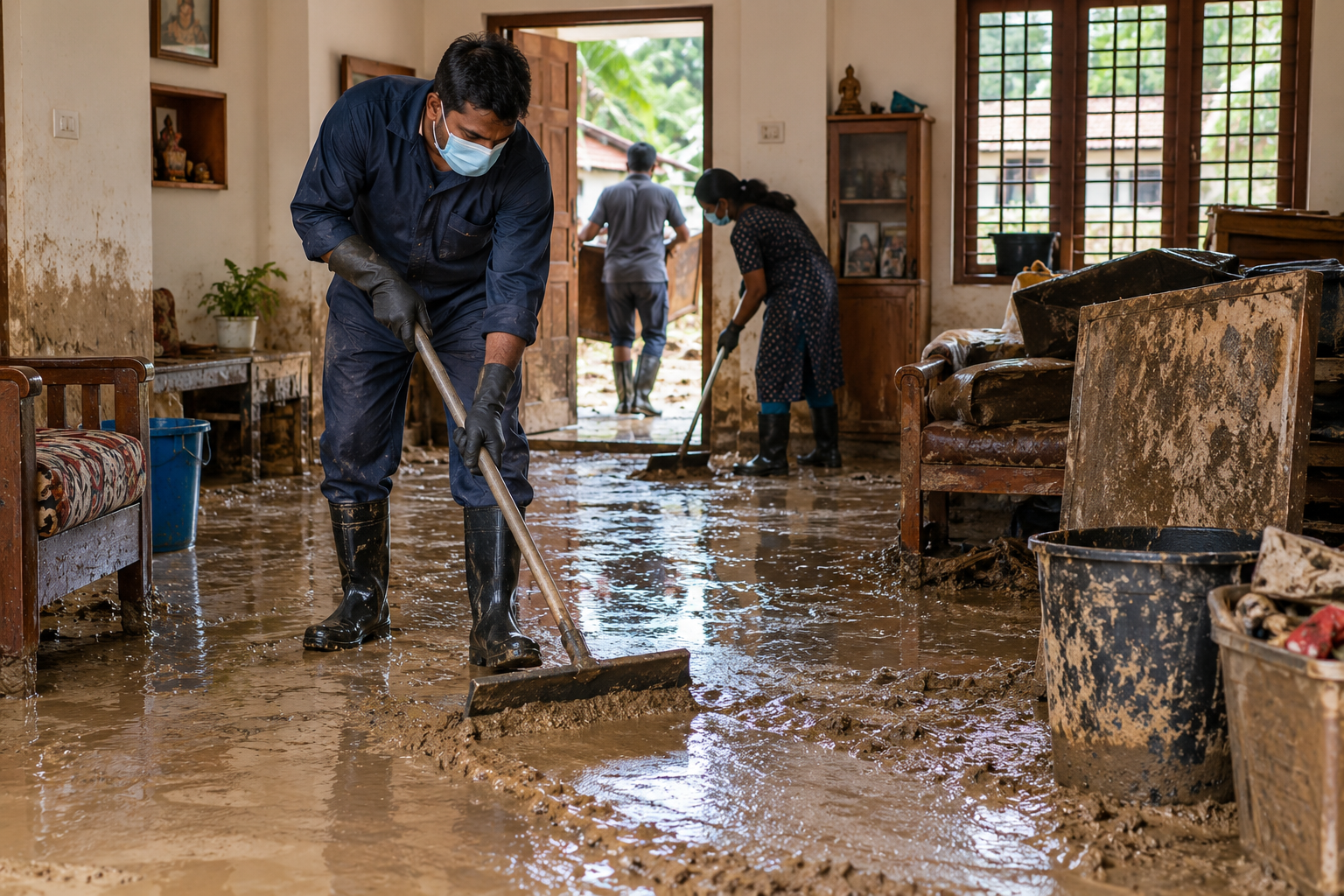
The termites have swarmed. Water has been sitting in the roof gutter for two weeks breeding mosquitoes. The rats that were living in a burrow at the back of the compound have moved into the ceiling because the burrow flooded. At that stage I am not preventing anything. I am managing damage, and it costs you more.
The window that matters in Kerala is roughly mid-April to the end of May. Six weeks before the southwest monsoon breaks.
Three reasons, all practical.
Populations are at their lowest point of the year, so you are killing a small number of insects instead of a large number. Surfaces are dry, and residual sprays bond properly to dry masonry and hold for months — put the same product on a damp wall in July and it is gone by August. And you can still see everything. A cracked chamber slab, a sagging gutter, a gap under the door: all obvious in April, all invisible under water in July.
The state’s own health machinery works to this calendar. Pre-monsoon cleaning drives are timed to exactly this window, and when they slip, it shows in the case numbers. The Health Department said so publicly in 2026 — that disruption to pre-monsoon sanitation earlier in the year had contributed to how fast vectors spread that season. (Worth checking current figures before repeating that anywhere, these things move.)
What the rain actually does
Water moves pests, and it moves them towards you. That is the whole thing in one line.
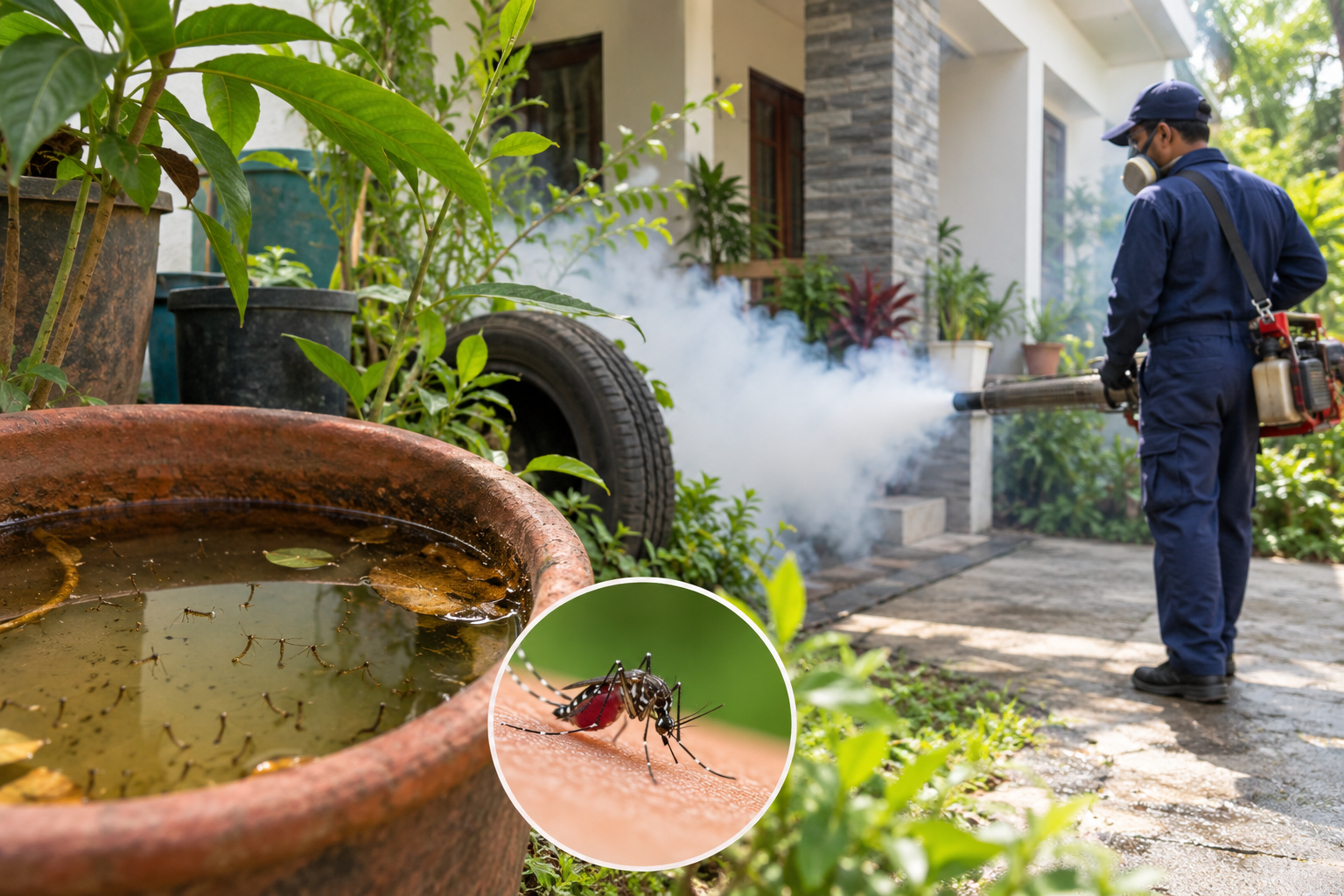
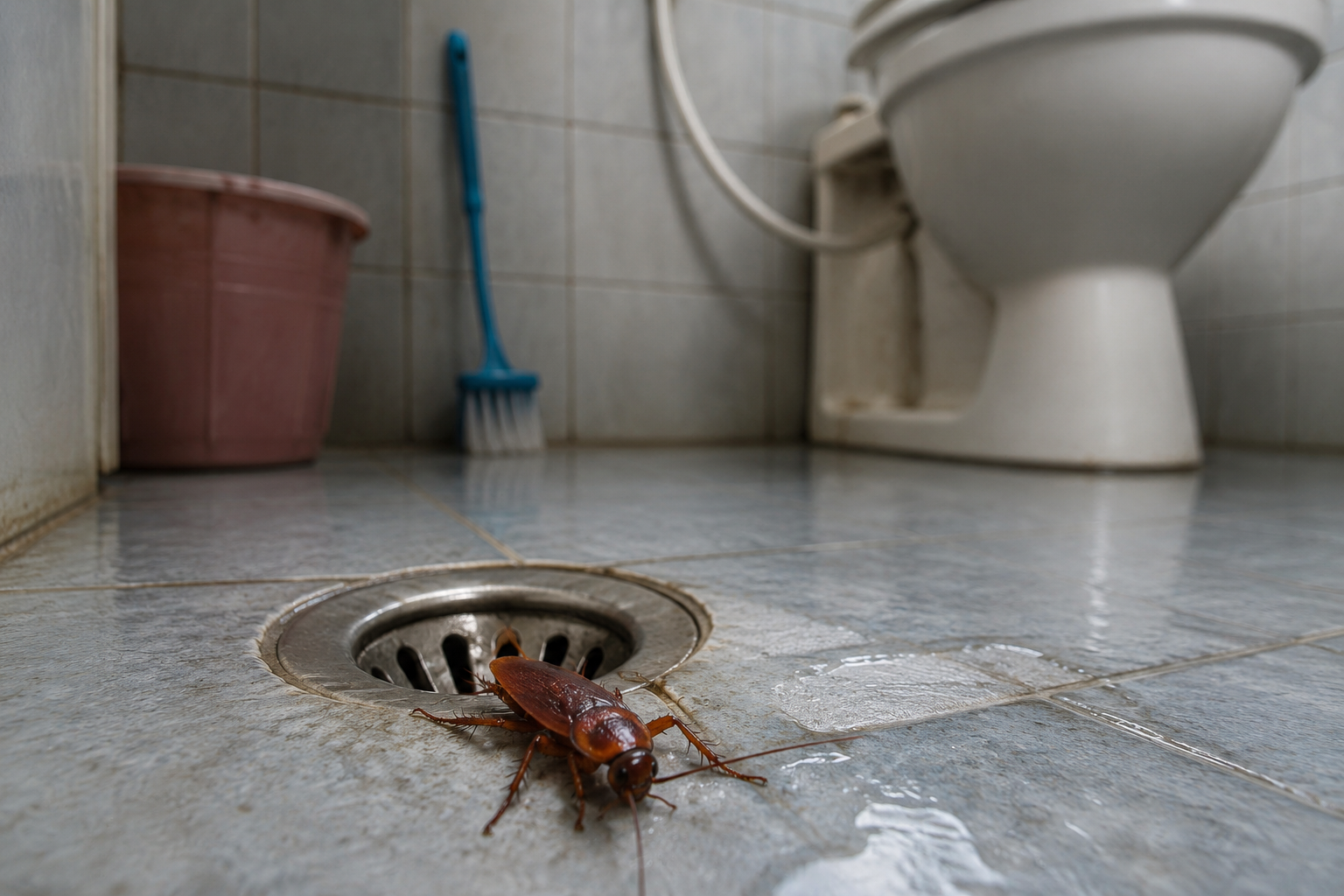
Standing water appears in a few hundred small containers you would never think about, and Aedes will breed in about a bottle cap’s worth. Soil moisture goes up and stays up, so subterranean termites become far more active and forage closer to the surface. Outdoor burrows flood and the rats come indoors and upward. Drains run full and then silt, which pushes sewer cockroaches up through your floor traps. Humidity sits above eighty percent for weeks and you get mould, silverfish, booklice. The rice and pulses in the store room absorb moisture and you get weevils in them.
None of it is dramatic on its own. Together, it is why July is miserable.
The six weeks
Most of this costs nothing. Work backwards from when you expect the rain.
Weeks six and five — water.
Clear the roof gutters and downpipes properly. In Kerala this is the highest-return job on the list, because a blocked gutter holds litres of water for months directly above your head.
Then go round the compound and turn over, drain or throw out every single thing holding water. Old tyres. Coconut shells lying under the palm. Paint tins. The saucers under the plant pots. That bucket behind the kitchen. The drip tray under the fridge, which people forget is inside the house.
Go up on the terrace. Flat terraces and parapet corners hold water invisibly, and the giveaway is a dark stain where the puddle always sits.
Cover the overhead tank and the open well properly. A few centimetres of gap is plenty for a mosquito.
And fix the outdoor tap that has been dripping since last year. That permanently wet patch of ground is a breeding site.
Weeks five and four — the building.
Seal gaps around pipes, window frames and door thresholds. Anything much wider than six millimetres is an entrance for something.
Replace cracked drain gratings and chamber slabs.
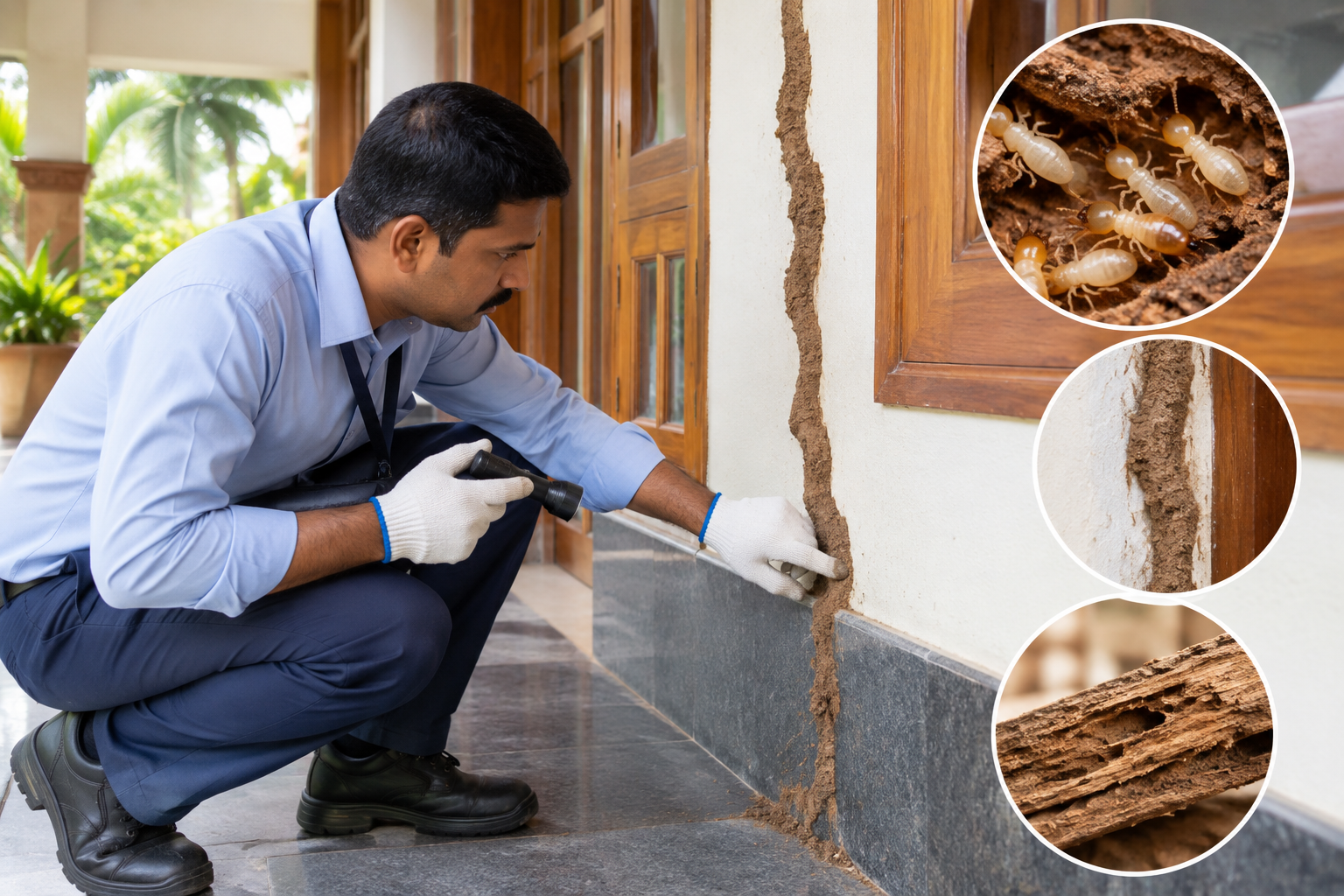
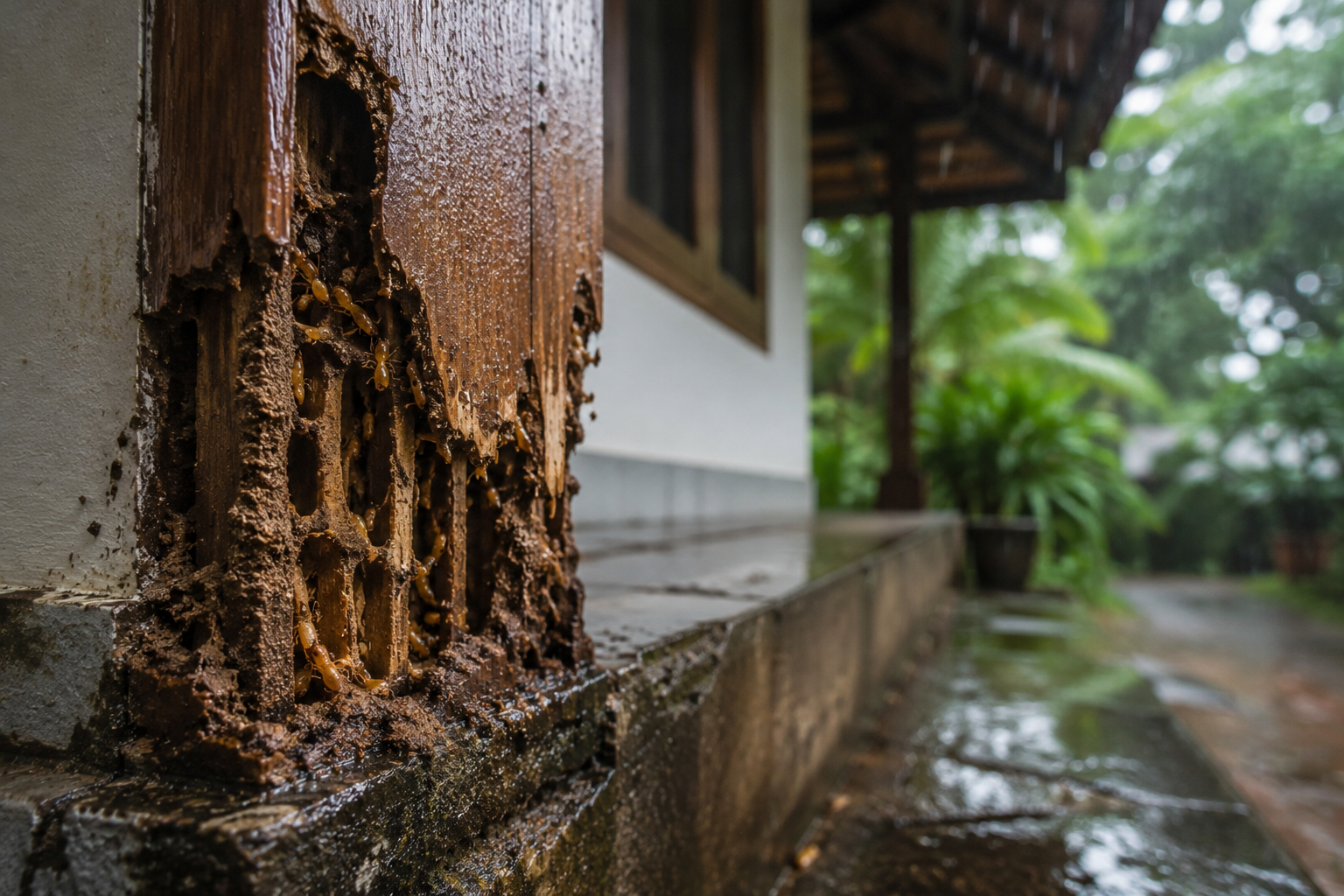
Look hard at any exposed timber — roof battens, fascia, the wooden ceiling if you have one, the old hardwood and teak in a traditional house — for mud tubes. Pencil-width earth tunnels running up a wall or a post. That is subterranean termite activity and it means stop reading the list and call somebody.
Repair the mosquito mesh you have been meaning to repair since last year.
Cut back everything touching the building. A plantain or a mango branch against a wall is a bridge for ants and rats, and dense growth against the plinth keeps the wall permanently damp, which is half the battle lost.
Weeks four and three — bring somebody in.
These are the jobs that need registered products applied at label rate by somebody trained to do it. There is no DIY version worth attempting.
A perimeter residual barrier around the outside — wall base, plinth, doorways, windows. That is the line that stops things walking in when the rain starts.
Anti-termite soil treatment, or a top-up on an existing barrier, if there is any history at all.
Drain and chamber treatment, before the drains start running full.
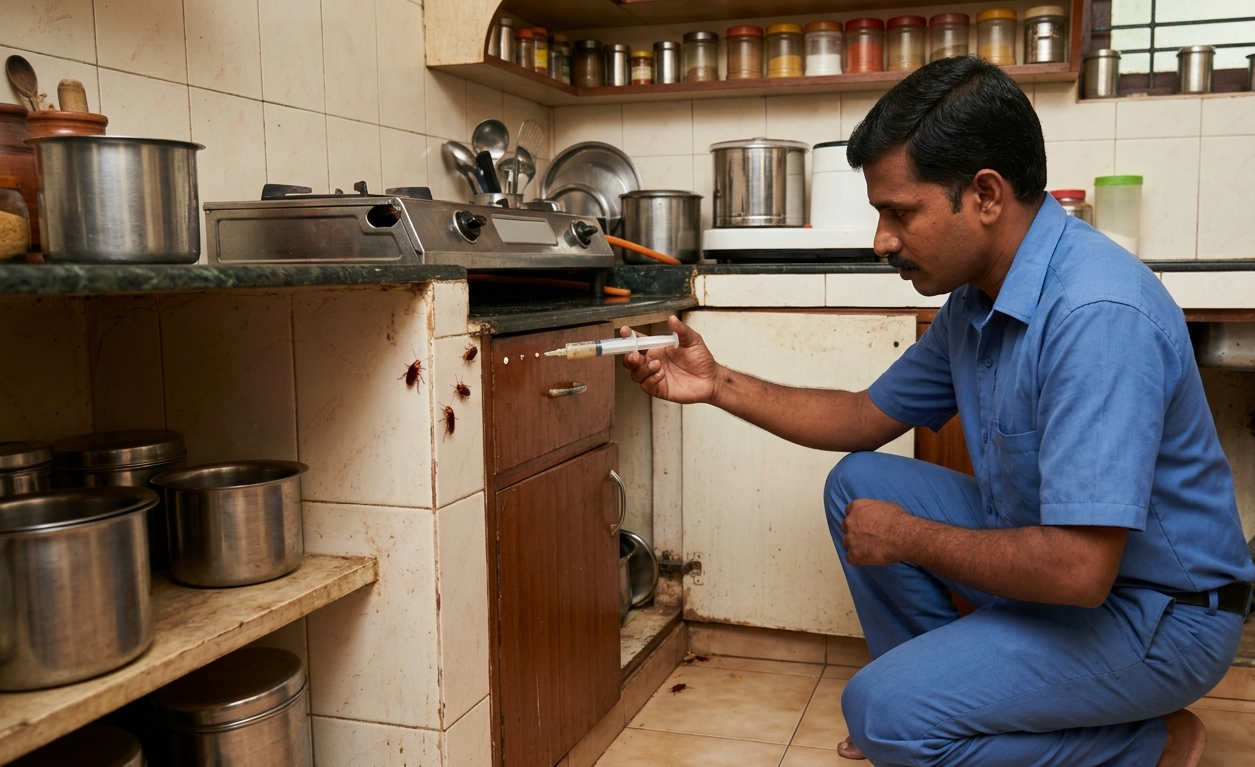
Cockroach gel baiting in the kitchen and bathrooms. Bait beats spray comfortably, and doing it before instead of after is the entire point of this article.
Rodent baiting in the outdoor burrows, while the burrows are still outdoors and findable.
Last two weeks — inside.
Rice, pulses and spices into airtight containers. A cloth bag or a packet with a clip is not a barrier.
Clear out the store room and the space under the staircase. In my experience those are the two most reliably infested rooms in any Kerala house, and it is always the same reason — nobody has opened them in a year.
Get stored things off the floor onto racks, with a gap from the wall.
What is in our pre-monsoon package
We bundle the professional items into one visit, which is cheaper than booking them separately and better sequenced.
A full inspection with a written report and photographs. Exterior perimeter treatment. Drains, gully traps and chambers. Cockroach gel in the kitchen and bathrooms. A mosquito breeding-site survey with a marked list of every site on your property — that document is usually the most useful thing we hand over, and people stick it on the fridge. A termite inspection, with treatment quoted separately if we find activity. A rodent burrow survey and outdoor baiting. Then a follow-up during the monsoon to check and reinforce.
Pricing depends on plot size and how old the building is, so we quote after seeing the property rather than over the phone. Hotels, hostels, clinics and godowns are quoted separately, because the compliance requirements are different.
For families abroad: we do this for a lot of Gulf-based owners whose houses sit locked most of the year. We inspect, treat, photograph everything and send you the report on WhatsApp. Locked houses are far more vulnerable than occupied ones, not less, and a house that gets opened once a year is the easiest target there is.
What it does not do: no treatment eliminates the possibility of pests during a Kerala monsoon. Anybody who tells you they can deliver a pest-free monsoon here is lying to you, and probably about other things too. What this does is bring the pressure down a long way and shut the entry points, so that when something does get through, it is one cockroach and not a colony.
Why this matters beyond nuisance
The monsoon is also the state’s communicable disease season, and the two are connected. Kerala reported 101 communicable disease deaths in 2026 as of late June, with leptospirosis, dengue, hepatitis A and Shigella among the causes. Dengue and chikungunya track mosquito breeding. Leptospirosis tracks rats contaminating standing water.
I want to be careful here, because it would be very easy to oversell. Pest control is not a substitute for public health work or for a doctor. If anybody at home gets fever, vomiting, bad body pain or reduced urination during or after the rains, go to a hospital and tell them about any floodwater contact. What source reduction does is lower the number of vectors around your house. That is a contribution. It is not a shield.
Call us and we will come and look. Free site visit anywhere in Thiruvananthapuram district.
📞 Tel: 0471-2353735 | Mobile: 81138 50599
Questions people ask
When exactly? Mid-April to the end of May. Six weeks gives you time to do the free work first and still get the professional treatment onto dry surfaces.
It is already raining. Too late? Less effective, not useless. Skip the exterior barrier for now and prioritise drain treatment, indoor gel baiting and rodent work — all three still perform fine in the wet. Book the exterior for the first dry spell.
What does it cost? It depends on plot size, building age and whether termite work is needed. We do a free site visit and give you a written quote before anything starts, so there are no surprises.
Is it safe with children and pets? Applied properly, yes. Registered products at label rates, and we will tell you the exact re-entry time for your treatment, usually a few hours for indoor work. Cover the aquarium and switch the air pump off. Tell us beforehand if there is an infant, a pregnancy, anyone asthmatic, or birds or fish, so we can change what we use and when we come.
I did it last year. Again? Yes. Exterior barriers degrade under Kerala’s UV and rainfall faster than almost anywhere else in India — most are finished within six to nine months. Annual is the interval here, and with the northeast monsoon coming again in October we are effectively a two-monsoon state.
If I only do one thing? Get rid of standing water. Gutters, terrace, containers, plant saucers, well cover. Free, and it removes the breeding sites for the pests most likely to actually put somebody in hospital.
PCCS India — pre-monsoon preventive packages for homes, flats, hotels and ins titutions across Kerala.